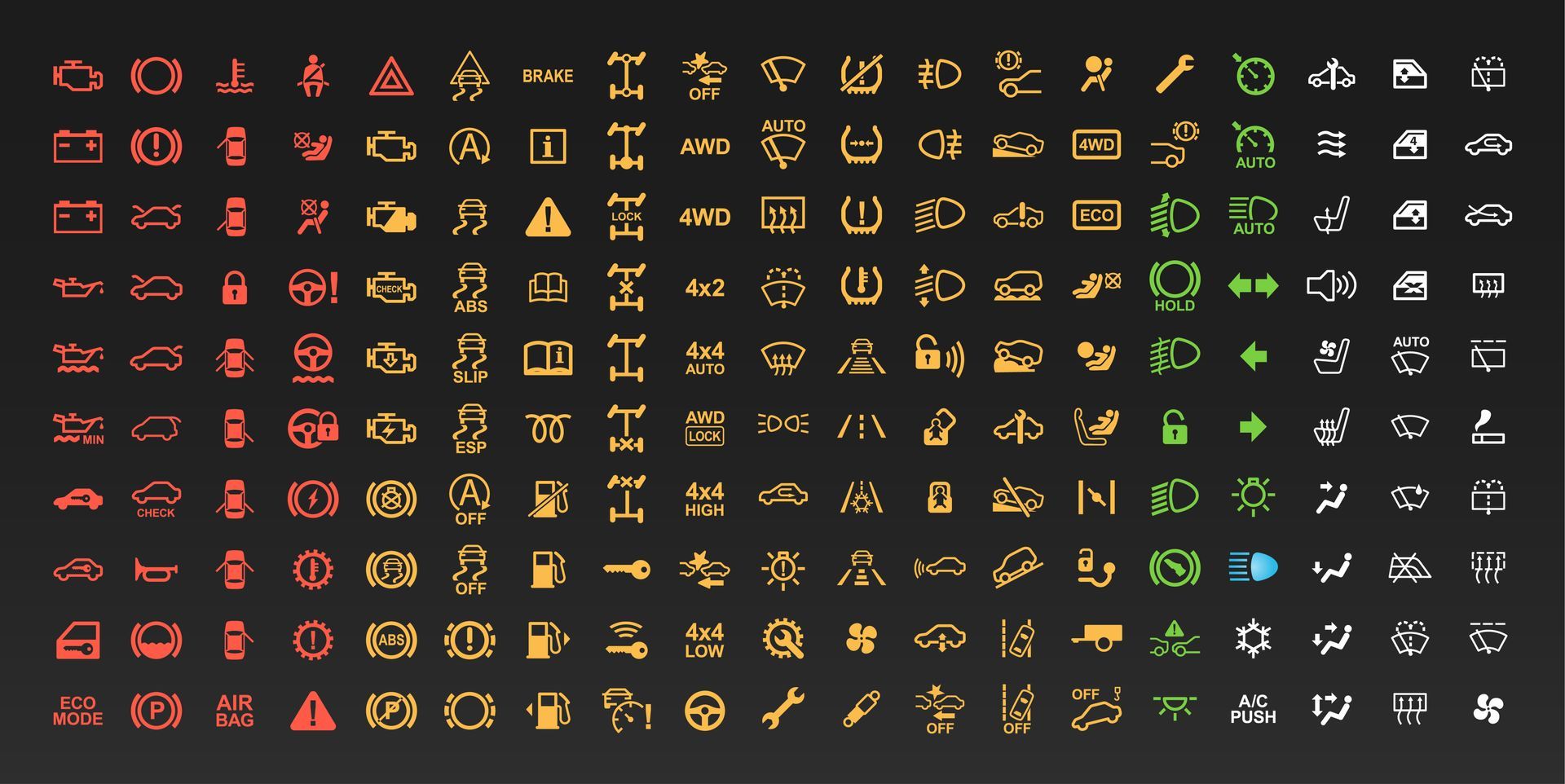
Every driver has a unique relationship with their dashboard warning lights. Some people panic the second a symbol lights up, while others prefer to pretend it is a festive holiday decoration until the car physically forces them to pull over. But there is one specific light that tends to create a lot of confusion: the letters ABS glowing in sharp yellow or amber.
When that light pops on, it is natural to feel a sudden knot in your stomach. Your mind immediately jumps to the worst-case scenario: Are my brakes failing right now? Am I going to be able to stop at the next intersection?
At our shop, we handle dashboard diagnostic mysteries every single day. We want to put your mind at ease right away. If your ABS light is on, your car is not about to lose all stopping power. However, a major safety shield has been deactivated under your hood. Today, we are going to look at what the ABS system actually does, why the light turns on, and how we get it turned off safely.
What Exactly Is the ABS System?
To understand the warning light, it helps to understand the letters. ABS stands for Anti-lock Braking System. It is an electronic safety feature designed to do one primary job: prevent your car's wheels from completely locking up during a sudden, panicked emergency stop.
Imagine driving down the highway at 60 mph on a rainy afternoon, and traffic suddenly comes to a complete standstill ahead of you. Your natural instinct is to slam your foot onto the brake pedal as hard as possible. In an older vehicle without an anti-lock system, that intense pressure would freeze your tires in place. Once your tires stop spinning and start skidding across wet pavement, you lose all ability to steer, sending the car sliding blindly forward.
Your ABS setup prevents this by using a small computer to monitor your wheels. If it senses a tire is about to lock up, it automatically pumps the brakes for you at an impossibly fast speed, up to twenty times per second. This keeps the tire rotating just enough so you can actually steer around an obstacle while slowing down.
The Most Common Reasons the ABS Light Turns On
Your anti-lock system relies on a delicate network of sensors, wires, and computers to do its job. If any single piece of that network stops communicating properly, the main computer throws its hands up in the air, shuts down the ABS safety feature to prevent erratic braking, and turns on the warning light.
Here are the typical culprits we uncover during our inspections:
- A Faulty Wheel Speed Sensor: Each of your four wheels has a tiny sensor that monitors how fast that specific tire is spinning. Because these sensors sit right behind your brake rotors, they are constantly bombarded by road salt, mud, water, and thick brake dust. It is very common for a sensor to get dirty or suffer internal electrical damage.
- Low Brake Fluid Levels: Your braking system runs on hydraulic pressure. If your fluid reservoir is dangerously low, it can introduce air bubbles into the lines. This messes with the computer's pressure readings and triggers the light.
- A Bad ABS Module: This is the brain of the operation. It is a computer module that processes data from the wheel sensors. If it experiences an internal electrical short or suffers water intrusion, the whole system goes offline.
- A Dying Car Battery: Modern safety computers require a very specific, steady stream of voltage to run their self-tests. If your battery is weak or your alternator is failing, the ABS computer might shut down simply because it isn't getting enough electricity.
Can You Safely Drive with the Light On?
The short answer is yes, but with a major catch. When the ABS light turns on, your standard mechanical brakes will still work perfectly normal. You can still drive to work, pull into grocery store parking lots, and come to a smooth stop at red lights.
However, your emergency backup safety net is completely gone. If you hit a patch of black ice, hydroplane during a sudden summer downpour, or have to dodge a deer at night, your wheels will lock up just like an old car from the 1970s. For this reason, driving with an active ABS light is a significant risk, especially during bad weather.
How We Solve the Mystery
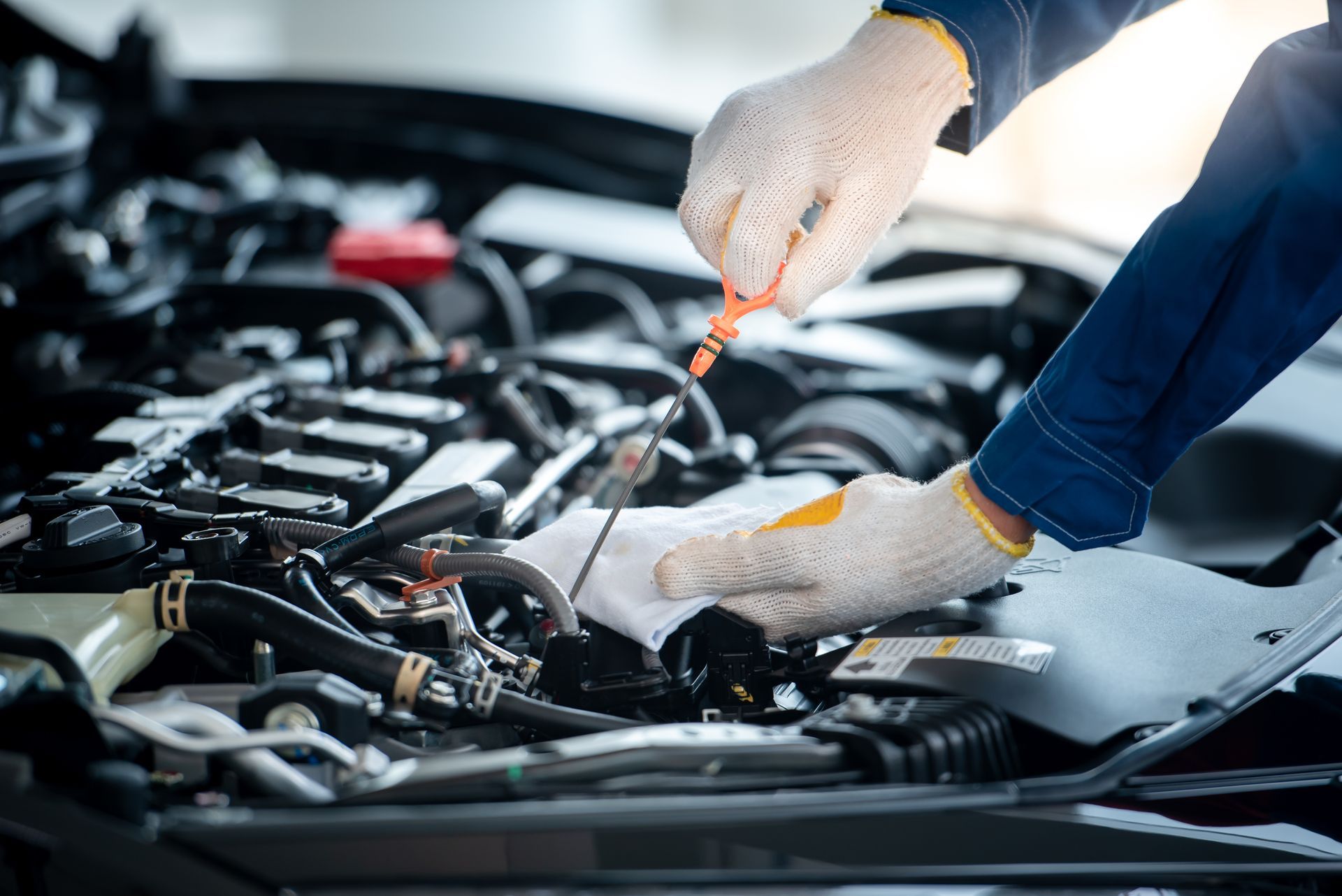
You cannot fix a glowing ABS light simply by looking under the hood or swapping out random parts on your driveway. Because the issue is purely digital, it requires specialized diagnostic equipment. When you bring your vehicle to Orlando City Auto Body in Orlando, FL, we plug a professional scan tool into your car’s diagnostic port to read the specific fault code stored by your computer. The code tells us exactly where the breakdown is happening, down to the specific wheel sensor or wiring harness. We will test the electrical resistance of the circuit, inspect the physical condition of the hardware, and provide you with a clear, transparent fix.
Is that yellow ABS light staring back at you from your dashboard? Do not guess when it comes to your family's road safety.
Bring your car by
Orlando City Auto Body in Orlando, FL or book your diagnostic appointment online today.