Nothing makes a routine day feel less routine than popping the hood and seeing the oil level lower than it should be. You changed it on time. You are not seeing a huge puddle. Still, the dipstick is telling a different story.
Oil loss between changes can start small and stay quiet for a while. That is exactly why it’s worth paying attention early, because the cause is often easier to address before it turns into smoke, leaks, or a dashboard warning that forces your hand.
Why Oil Level Can Drop Between Changes
A gradual drop in oil level is not automatically a crisis, especially on higher-mileage vehicles. Engines use oil in small amounts during normal operation, and some models consume more than others. The concern is when the drop is noticeable and repeatable, like needing to add oil every few weeks.
Oil disappears in two main ways. It either leaks out or it gets burned inside the engine. The symptoms can overlap, so the best approach is to look for patterns, including where you park, how the car drives, and whether any smells or smoke show up.
If you are topping off frequently, pay attention to how much you are adding. A consistent pattern is more useful than a one-time low reading after a long trip.
Oil Leaks That Leave Clues Under The Car
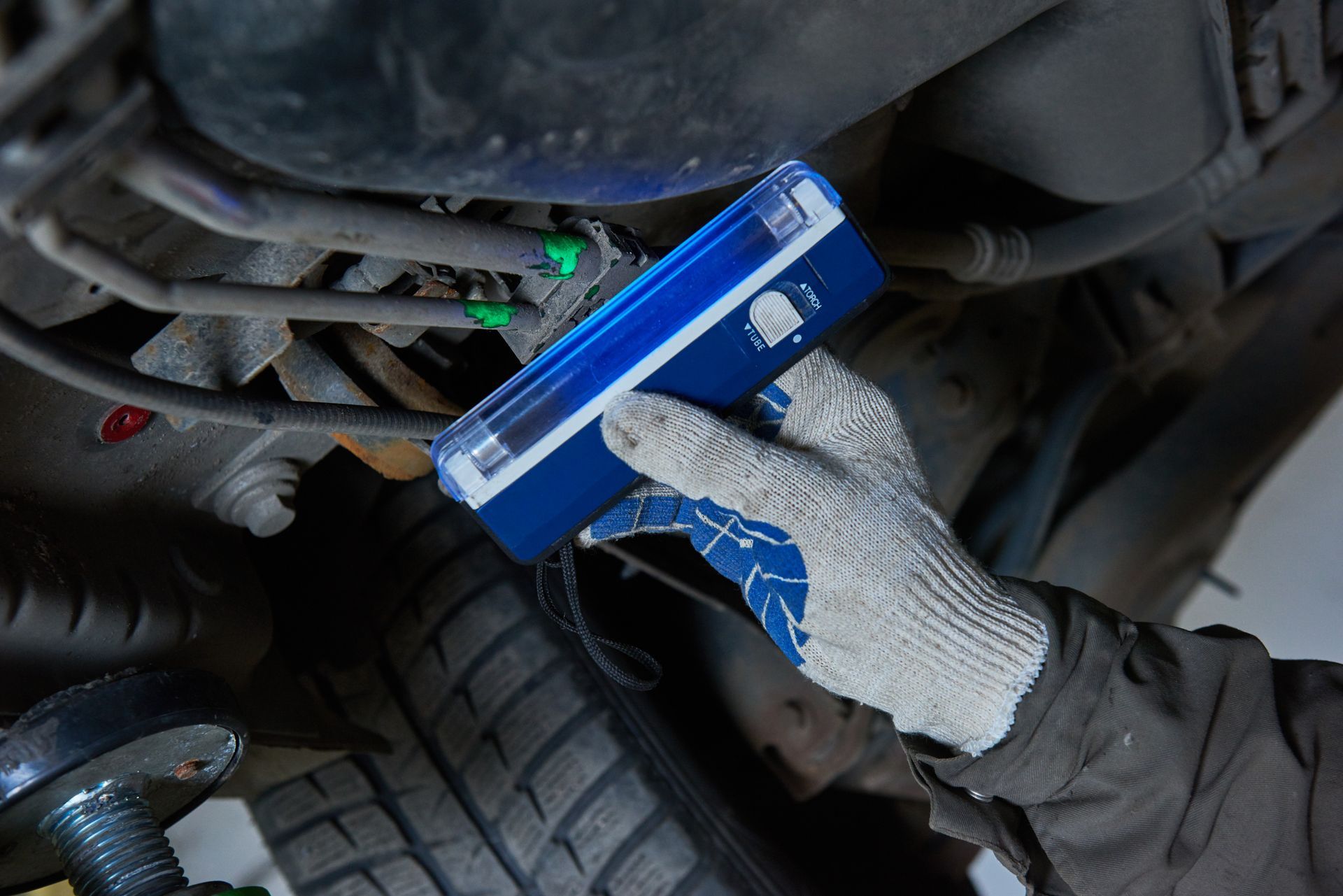
Leaks are often the easiest cause of oil loss to confirm because oil has to go somewhere. The tricky part is that many leaks do not drip straight to the ground. Oil can spread across the underside, collect on splash shields, or burn off on hot surfaces before it ever reaches your driveway.
Common leak sources include:
- Valve cover gasket seepage, which can drip onto the engine and smell hot after driving
- Oil pan gasket or drain plug seepage, which can leave dampness along the bottom edge
- Oil filter housing or oil cooler seal leaks, which can spread oil quickly in the engine bay
- Front or rear crankshaft seal leaks, which can coat the area near the belts or transmission housing
- Turbo oil feed or return line leaks on turbocharged engines, which often show up as oily residue near hoses and fittings
A small leak can still matter, especially if it gets worse with heat or higher RPM. We’ve seen drivers come in thinking the engine was burning oil, then the real culprit was a slow leak that only showed itself after a thorough inspection.
Oil Burning Signs You Can Notice While Driving
When oil is burned, it enters the combustion process. That can happen through worn piston rings, valve stem seals, turbo seals, or a clogged PCV system that pulls oil vapor where it should not go.
You might notice a bluish tint to exhaust smoke, though it isn't always obvious. Some cars only show smoke during specific moments, like after idling at a light, on a cold start, or when accelerating hard onto the highway. A burned-oil smell after a long drive can also be a clue.
If your spark plugs foul repeatedly, or you notice the engine stumbling along with oil loss, oil burning moves higher on the list. It can also show up as oily residue in the intake tract on some engines, which is why a proper inspection matters.
The Hidden Places Oil Can Go Without A Puddle
Some oil loss happens in ways that do not leave a clear mark on the driveway. An engine can leak oil onto a hot exhaust surface where it burns off, so you smell it but do not see it. Oil can also collect inside underbody panels and then drip only after the car has been parked for a while.
Another sneaky one is oil mixing with dirt on the underside. It turns into a dark, greasy film that spreads, and it can look like an old mess rather than an active leak. A fresh inspection makes it easier to separate older residue from the current problem.
PCV issues can also make oil consumption look random. If crankcase pressure builds due to a restricted system, oil may be pushed past seals or pulled into the intake. That can increase oil use without an obvious external leak.
When Oil Loss Becomes Urgent
Even if the car feels normal, low oil can put you in a risky spot quickly. Oil is doing multiple jobs at once, including lubrication, cooling, and protecting internal surfaces from metal-to-metal contact.
Take it seriously if you notice any of these:
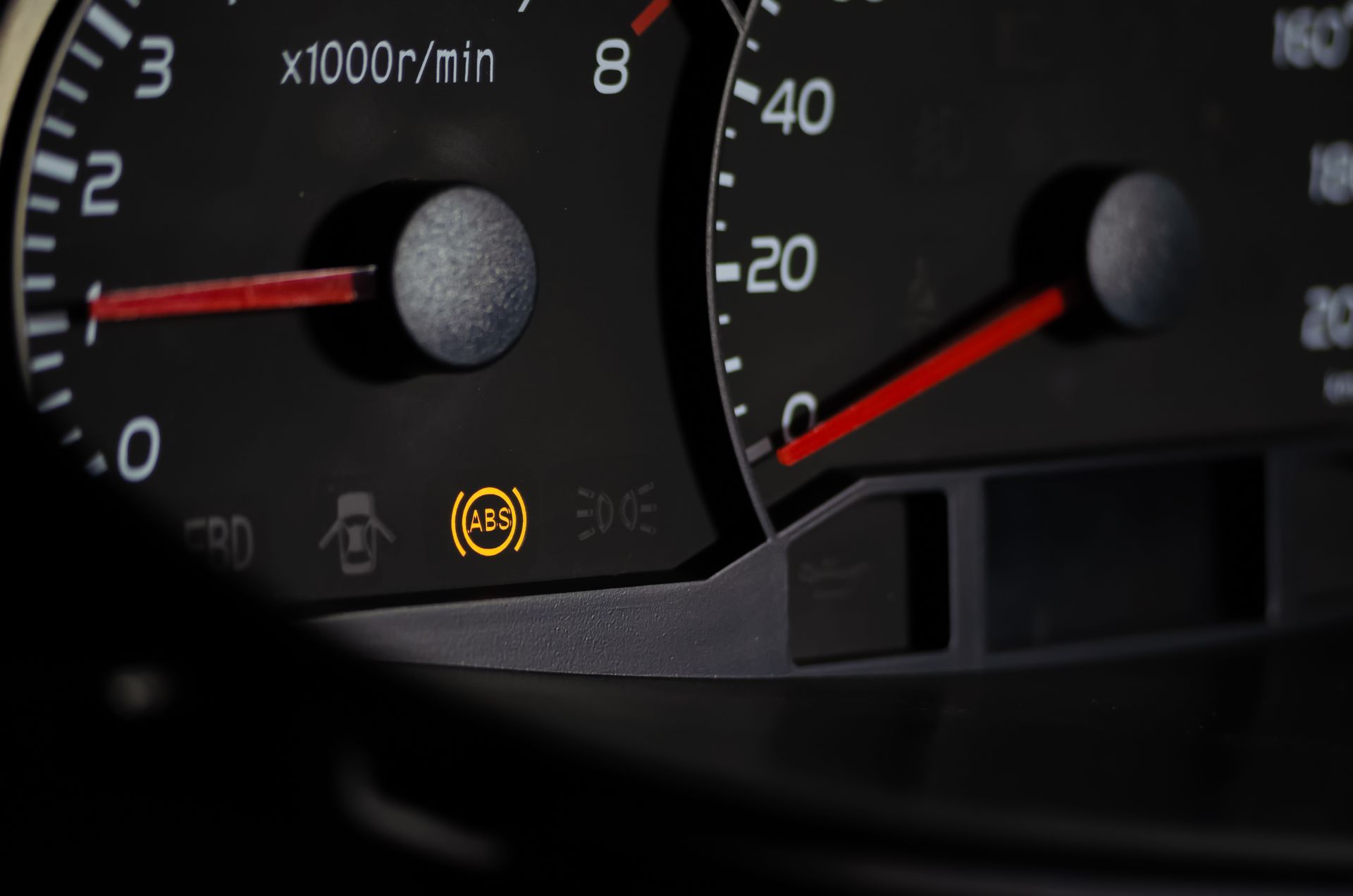
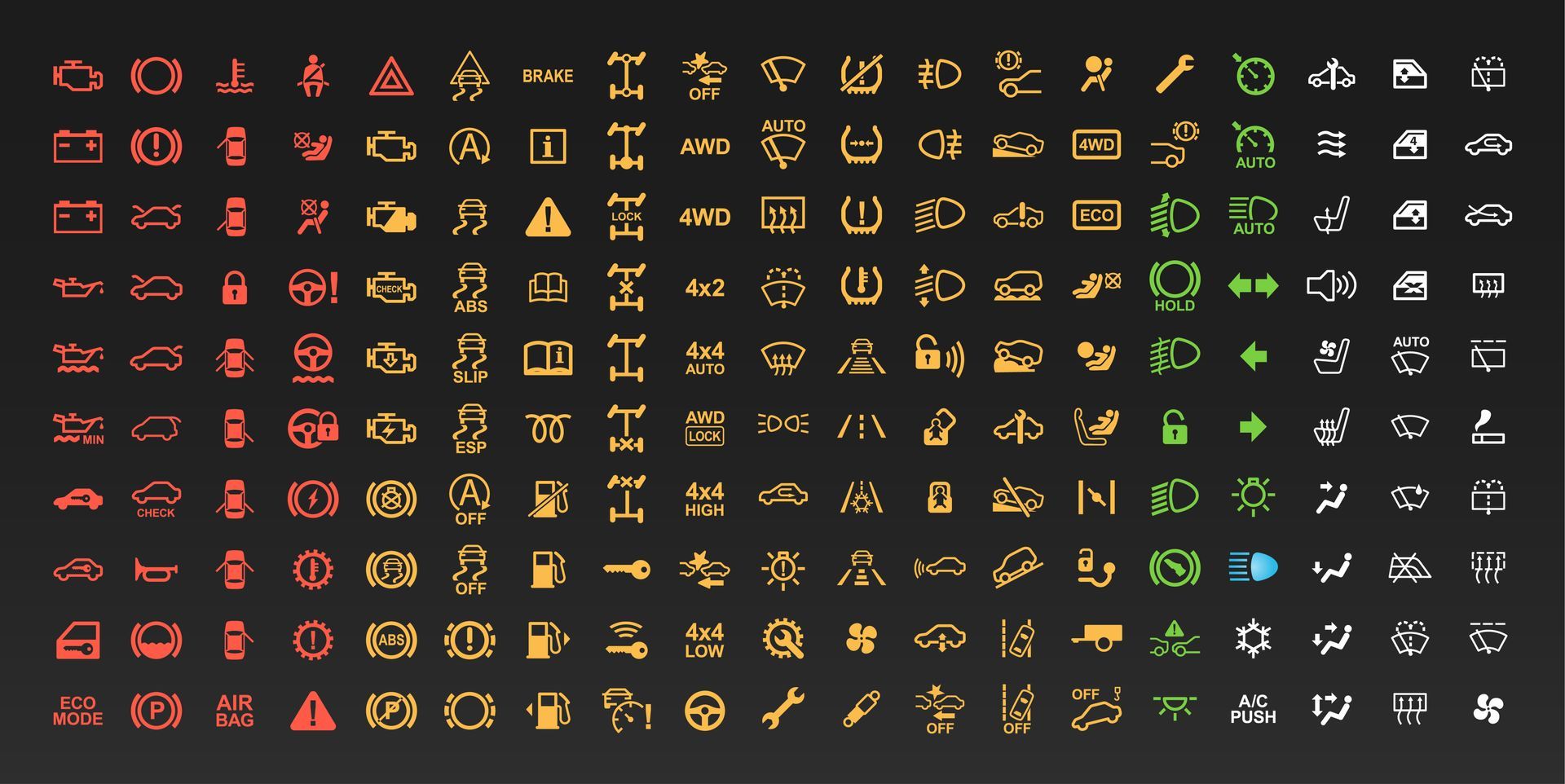
- The oil warning light on the dashboard comes on while driving
- You hear ticking, knocking, or a new tapping sound that follows engine speed
- You smell burning oil frequently after short drives
- Smoke is visible from the exhaust or from under the hood
- Oil level drops noticeably between weekly checks
If a dashboard oil pressure warning appears, do not keep driving and hope it clears. Shut the engine off and have it checked, because oil pressure loss can cause damage fast.
What A Real Oil Loss Inspection Should Cover
A good oil-loss inspection is not a one-step look at the dipstick. It usually includes checking for external leaks, confirming the correct oil type and fill level, and inspecting common leak points that match your engine design.
It also means looking for supporting clues. Is there oil residue near seals or housings? Is there evidence of oil burning, like oily intake deposits or smoke patterns? Is the PCV system working the way it should? The goal is to build a clear, testable explanation for where the oil is going.
If you have been adding oil, it helps to note how often and how much. That pattern can point the inspection in the right direction without making the diagnosis depend on luck.
Get Oil Loss Diagnostics in Orlando, FL, with Orlando City Auto Body
We can inspect for oil leaks, oil-burning signs, and PCV-related issues to figure out why your oil level keeps dropping between changes. We’ll walk you through what we find, explain what needs attention now, and help you avoid the kind of low-oil situation that can lead to expensive engine damage.
Call
Orlando City Auto Body in Orlando, FL, to schedule an oil loss inspection and get your vehicle back to dependable day-to-day driving.