Holiday traffic turns every lot into a puzzle. Tight spaces, carts on the move, and rushed drivers raise the odds of door dings and bumper scuffs. A simple plan lowers the risk without adding stress to the shopping list.
Choose Spaces With Natural Protection
Look for an end spot beside a curb, island, wall, or pole. A blocked side means fewer doors can swing into your panels. If the row is flat, park slightly toward the protected side while staying within the lines. Avoid blind pull-throughs. Another driver may enter from the opposite aisle and meet your bumper nose to nose.
Pick Safer Neighbors, Not Just Empty Spots
The vehicles beside you matter. Large, tall doors need wider arcs to open. Baby seats and booster seats also require wider swings. Favor neighbors with straight parking, intact moldings, and clean panels. Drivers who care about their own paint tend to handle doors carefully. If both adjacent cars are crooked, choose a different row, even if it means a longer walk.
Stay Clear of Cart Corridors and Slopes
Loose carts roll with gravity and wind. Do not park in the direct line between store entrances and cart corrals. On sloped lots, face uphill when possible so a runaway cart rolls away from your bumper. If parking near a corral is unavoidable, skip the space directly beside it and use one a stall or two beyond. That small offset keeps carts from tapping your paint.
Use Angled Parking and Alignment to Your Advantage
Angled spaces reduce door swing conflicts and make entry smoother. Centering is crucial. Wheels should be straight when you finish backing in or pulling forward. If two angled rows face each other, do not pull through unless you can clearly see both aisles. Many low-speed nose scuffs happen when drivers assume the far side is empty.
Respect Curbs, Stops, and Low Hardware
Concrete wheel stops and tall curbs can crack splitters, scrape bumpers, and tear splash shields. Stop with the front tires just before the block, not on it. If ground clearance is low, back into the space so the higher rear bumper sits nearest the stop. Watch for rebar pins or misaligned blocks, which can catch a tire sidewall during tight turns.
Think About Loading Zones Before You Park
Minivans, SUVs, and sedans with wide trunk lids need room to load. Leave extra space if a neighbor is likely to open a hatch for strollers or large boxes. Plan your own loading on the passenger side when possible. A spot with a curb or island to the right lets doors open wide without risking a neighboring car.
Visibility, Lighting, and Foot Traffic
Good sightlines prevent bumps. Park under lights at dusk or after dark. Avoid the very ends of long, shadowed rows where drivers cut corners. Near storefronts, move a few spaces past the busiest crosswalks so carts and pedestrians do not pass inches from your doors all evening. A clear approach path reduces last-second maneuvers that cause mirror taps and corner scrapes.
Back In When It Helps, Pull In When It Does Not
Backing in gives a cleaner exit and keeps the fascia away from curbs. It works best in straight rows with good visibility. Pull in when angled parking or heavy pedestrian traffic makes reversing complicated. If the backup camera lens is wet or dusty, a quick wipe restores clarity.
Simple Habits That Prevent Big Repairs
- Center within the lines and fold mirrors if space is tight
- Leave at least one stall of space from cart collection zones
- Do a slow 360-degree walk-around before pulling out during peak hours
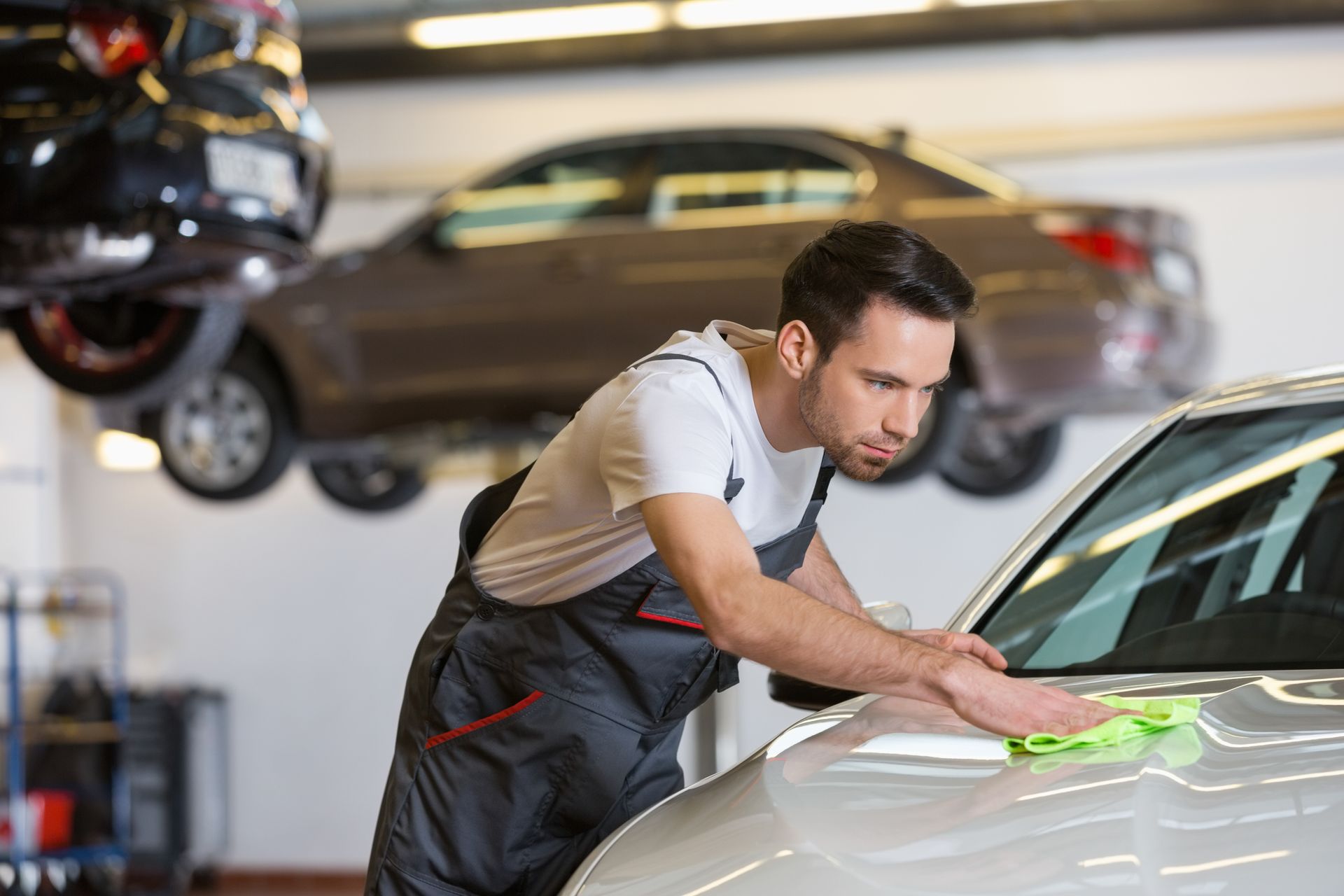
- Keep a microfiber towel to wipe cameras and sensors after rain
These habits take seconds and can prevent the most common holiday dings.
What To Do If Contact Happens Anyway
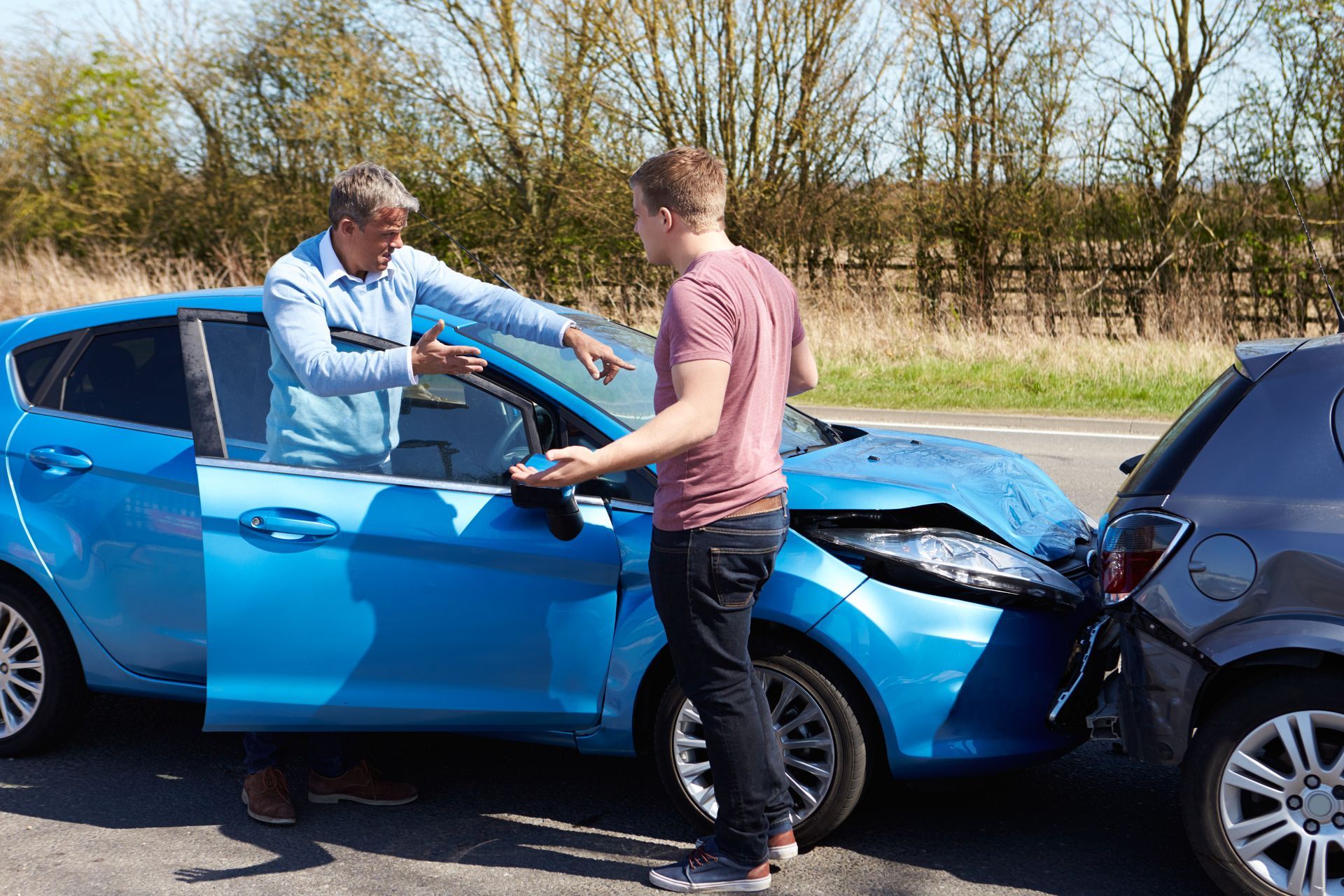
Photograph the area in good light, including the full row to show context. Capture fresh marks on the other vehicle or cart if present. Exchange information if another driver is involved, and ask the store whether cameras cover the row. Avoid rubbing the mark on the scene; paint transfer can be removed during repair, and rubbing can mar the clear coat.
Repair Options for Common Parking Damage
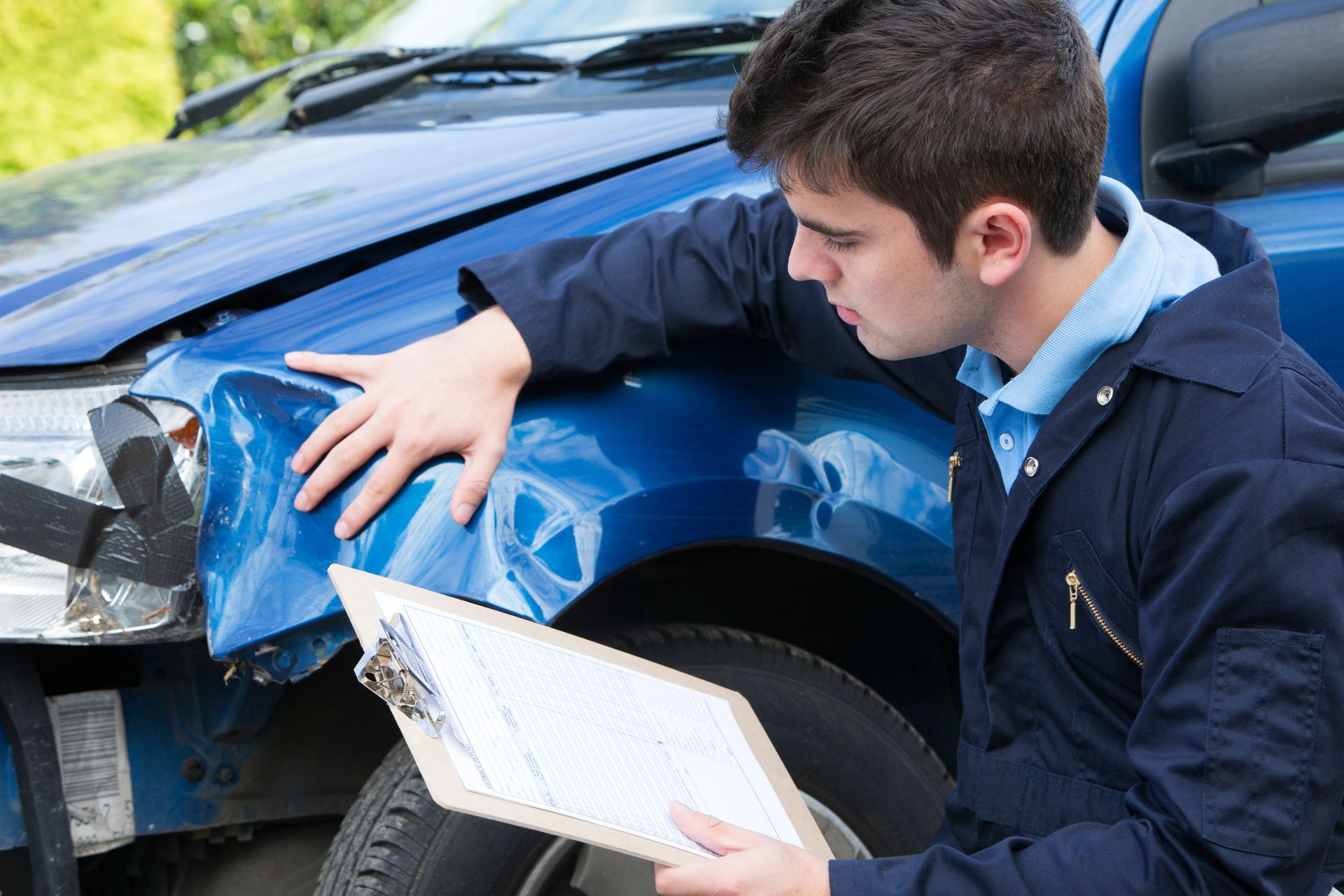
Small round dents without broken paint are often candidates for paintless dent repair, which preserves the factory finish and keeps costs down. Scuffs that remove color or expose primer usually need refinishing. Sensors hidden in bumpers may require calibration after repair.
A professional estimate should list panel labor, refinish time, any blends into adjacent panels, and calibration or alignment if the impact moved things more than skin deep. We can explain which route makes sense for each type of mark.
Get Fast, Clean Parking-Damage Repairs in Orlando with Orlando City Auto Body
If a cart or door finds your panel this season, schedule an estimate. Our team assesses whether paintless dent repair, spot refinishing, or a blend will deliver the best result, and we explain calibrations when sensors are involved.
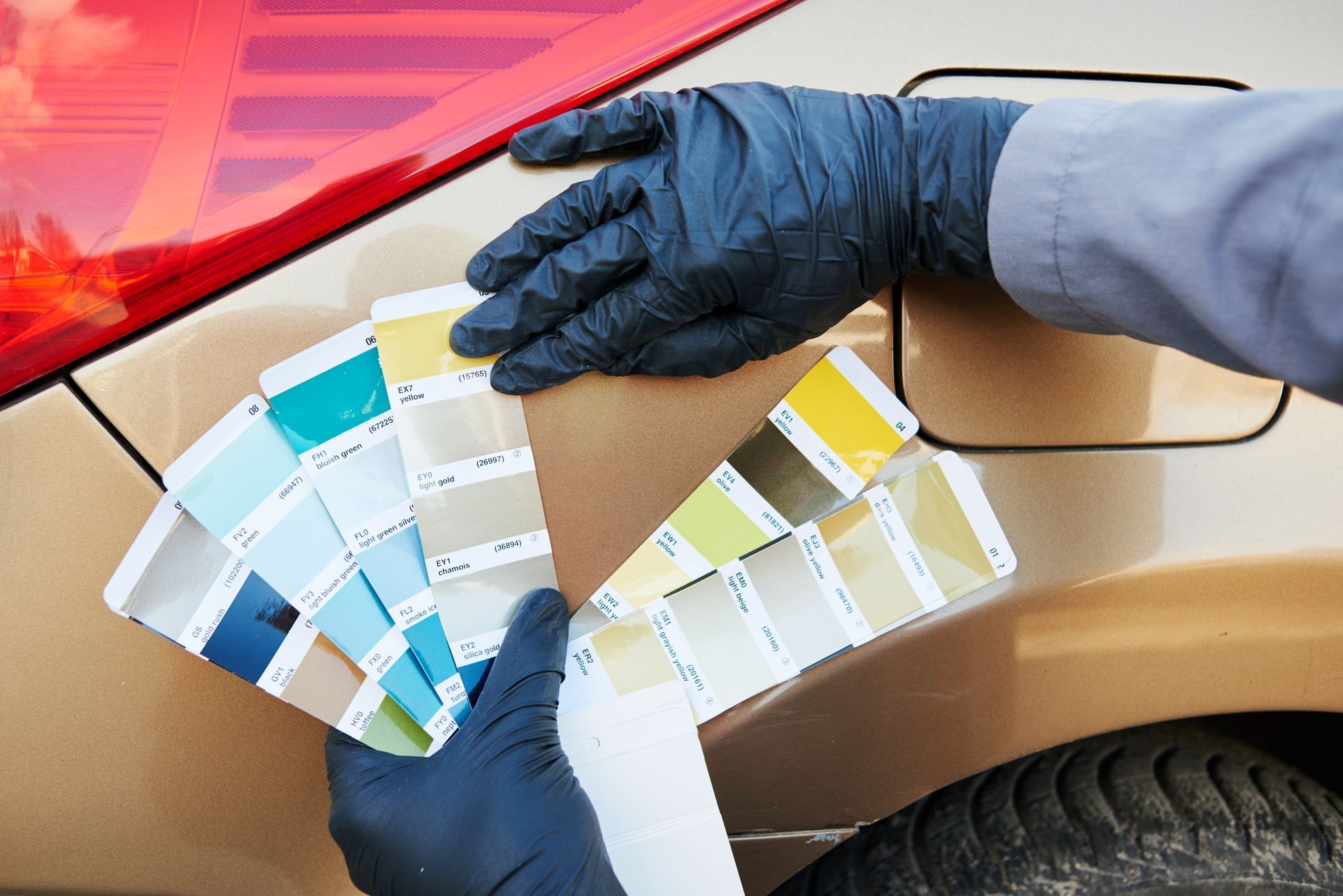
Stop by Orlando City Auto Body and leave with a clear plan, a proper color match, and panels that look like the damage never happened.