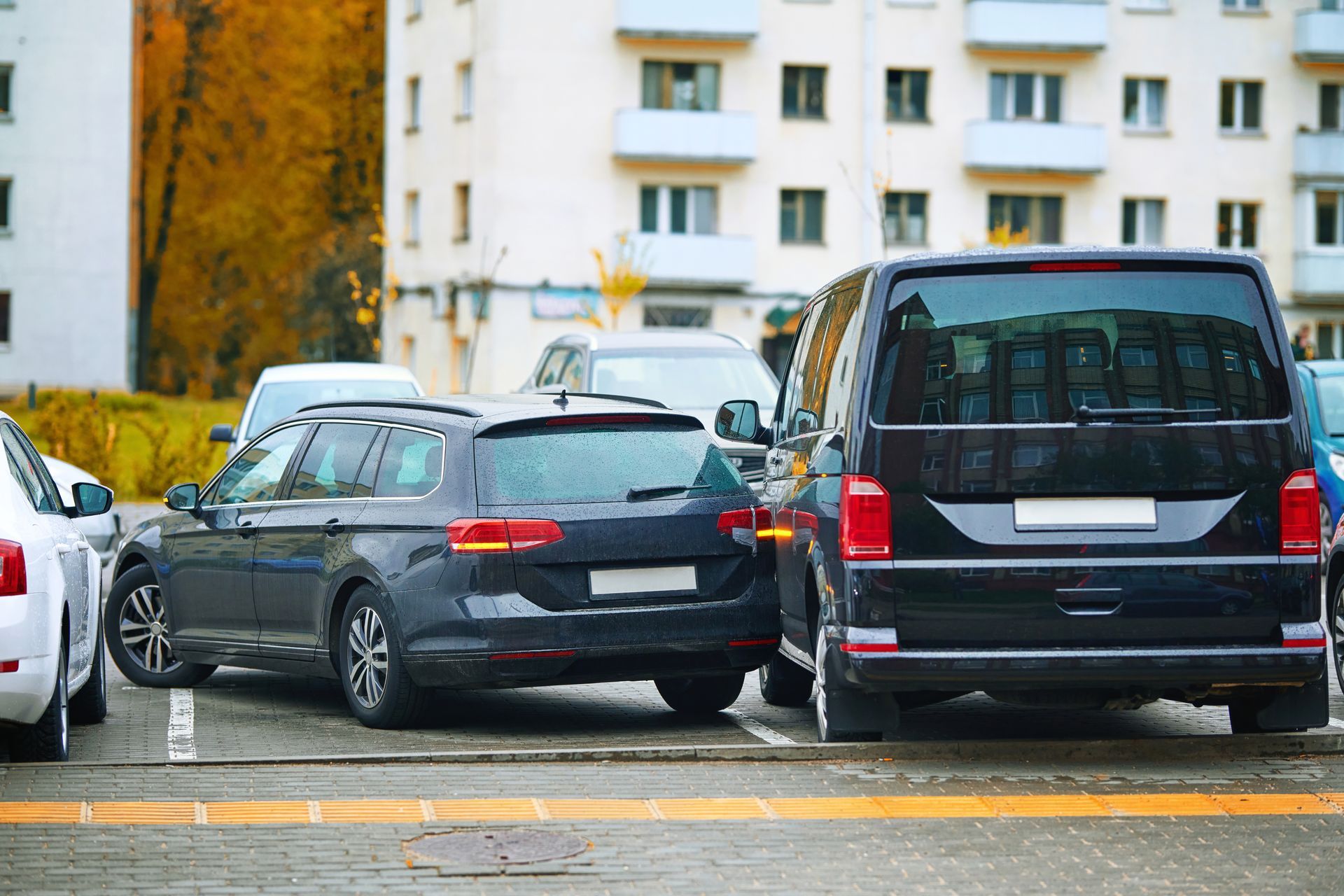
Rear-end crashes happen in everyday traffic, not just in storms or during high-speed driving. Most of the time, the first hard brake is not the real problem. The real problem is the lack of time and space to react when something changes ahead.
That gap is where collisions start.
1. Following Distance Gets Too Short
Following distance is the most common reason sudden braking turns into a rear-end hit. When you ride close, you remove the buffer that gives you time to see brake lights, process what’s happening, and get your foot to the pedal. Even at city speeds, a one-second gap disappears instantly when the driver ahead taps the brakes.
On dry roads, a safe gap gives you options: ease off, brake smoothly, or change lanes when it’s safe. In rain, that same gap needs to grow because tires need more distance to stop. If you regularly feel like you’re braking harder than you want, the gap is already too tight.
2. Distraction Turns Small Slowdowns Into Hard Braking
Most sudden braking starts as a normal slowdown, then becomes panic braking because the driver behind looked away for a moment. Phones, touchscreens, food, and even searching for something in the console all steal time. The car in front did not brake harder than usual, you just saw it later than you should have.
The fix is boring but effective. Set navigation before you move, keep your eyes scanning far ahead, and treat traffic patterns like a warning system. When the flow compresses, lift early, and you’ll rarely need a hard stop.
3. Brake Lights Or Signals Fail To Warn Drivers Behind You
Rear-end crashes are more likely when the driver behind never gets a clear early warning. A burned-out brake light, a bad brake light switch, or wiring issues can leave you braking with less notice than you think. The same goes for turn signals that do not work, since last-second turns force the car behind to react quickly.
A quick inspection of brake lights and signals takes two minutes and prevents a lot of ugly surprises. If drivers behind you seem to react late, or you get honked at when braking normally, it’s worth checking your lights right away. Communication is part of safety.
4. Tires And Road Grip Drop Suddenly
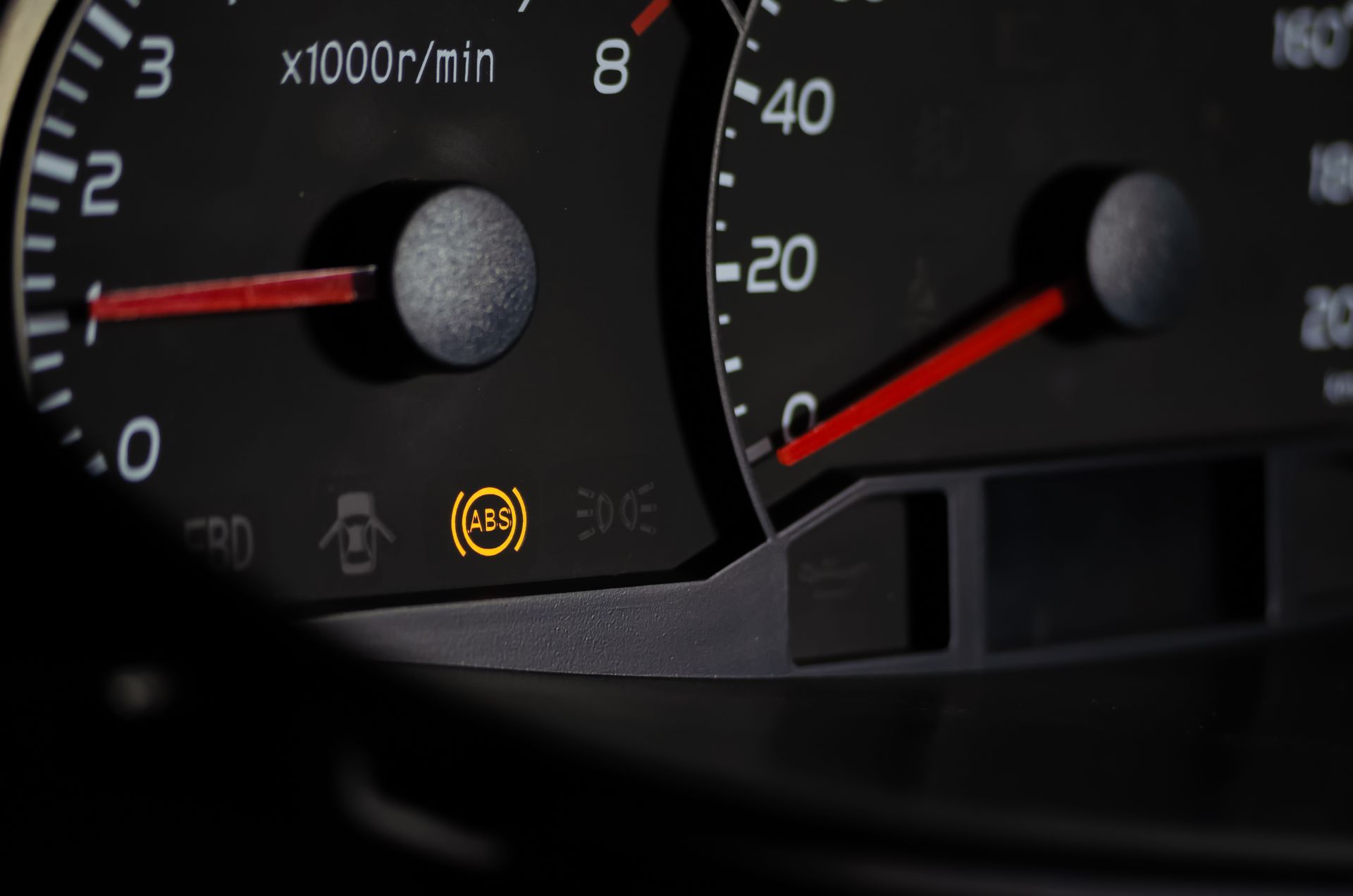
Sudden braking feels worse when traction is limited. Worn tread, low tire pressure, or the first rain after a dry stretch can cut grip fast, which increases stopping distance. That is when a normal stop becomes ABS chatter and a slide that pushes you into the car ahead.
Good tires give you predictable braking and predictable steering while braking. If you notice longer stops, more ABS activation, or the car feeling loose on wet roads, don’t wait for the tread to hit the wear bars. Tires are your stopping system.
5. Brake System Problems Create Surprise Stops
Some sudden braking starts with the car itself, not the driver ahead. A sticking caliper can cause pull and heat, and it can make braking feel grabby at low speeds. Warped rotors can cause pedal pulsing, encouraging a driver to brake earlier and harder because the car feels unsettled.
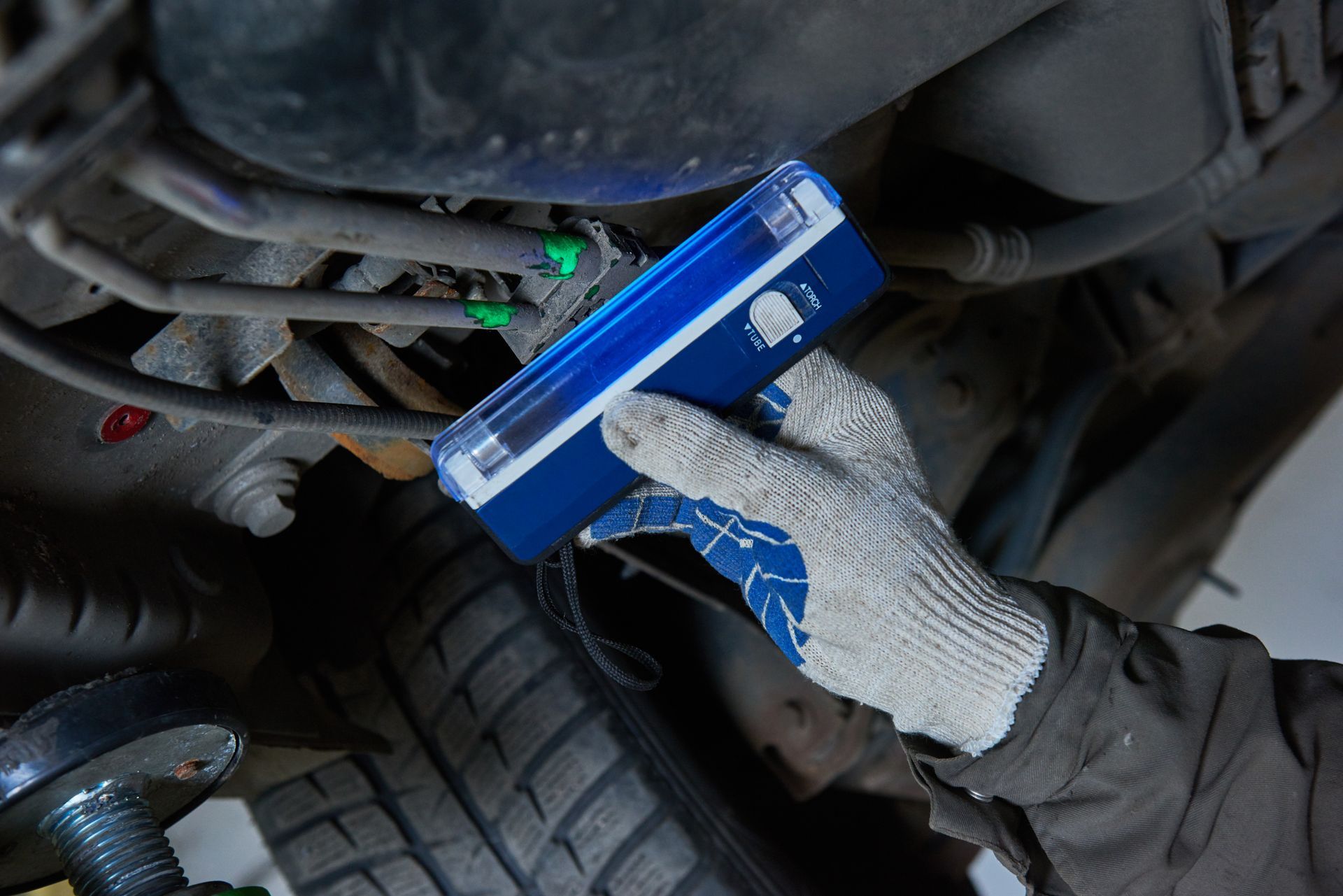
Brake fluid condition matters too, especially on long downhill drives where heat builds. This is where regular maintenance pays off: it keeps braking consistently rather than unpredictable. When braking feels different, we check pad wear, rotor condition, fluid, and hardware so the system responds the same way every time.
6. Lane Changes And Cut-Ins Force Panic Braking
Traffic is full of last-second lane changes, and cut-ins are a big trigger for sudden braking. When someone dives into your lane with a small gap, your safe following distance disappears instantly. Now you are braking hard even though you were driving responsibly a second ago.
Common cut-in situations include:
- A driver exits a backed-up lane and squeezes into the faster lane
- Someone merges from an on-ramp and targets the first opening they see
- A driver swerves around a stopped car without enough warning
- A last-second turn or missed exit forces a quick lane change
You cannot control other drivers, but you can control your buffer. Keeping a gap and scanning for impatient lane-changers gives you more time to brake smoothly instead of slamming the pedal.
7. Speed, Fatigue, And Aggressive Driving Shrink Reaction Time
Speed reduces the time you have to react and increases how hard you have to brake. Add fatigue, and your reaction time slows, your scanning narrows, and you miss small cues that traffic is stacking up. Aggressive driving makes it worse because quick lane changes and tailgating create constant emergencies.
If you’re tired, build in extra space and avoid crowding the car ahead. If you feel impatient, that’s a sign to back off and drive more predictably. Calm, consistent inputs prevent the chain reaction that ends with someone hitting your bumper.
Get Rear-End Collision Repair In Orlando, FL With Orlando City Auto Body
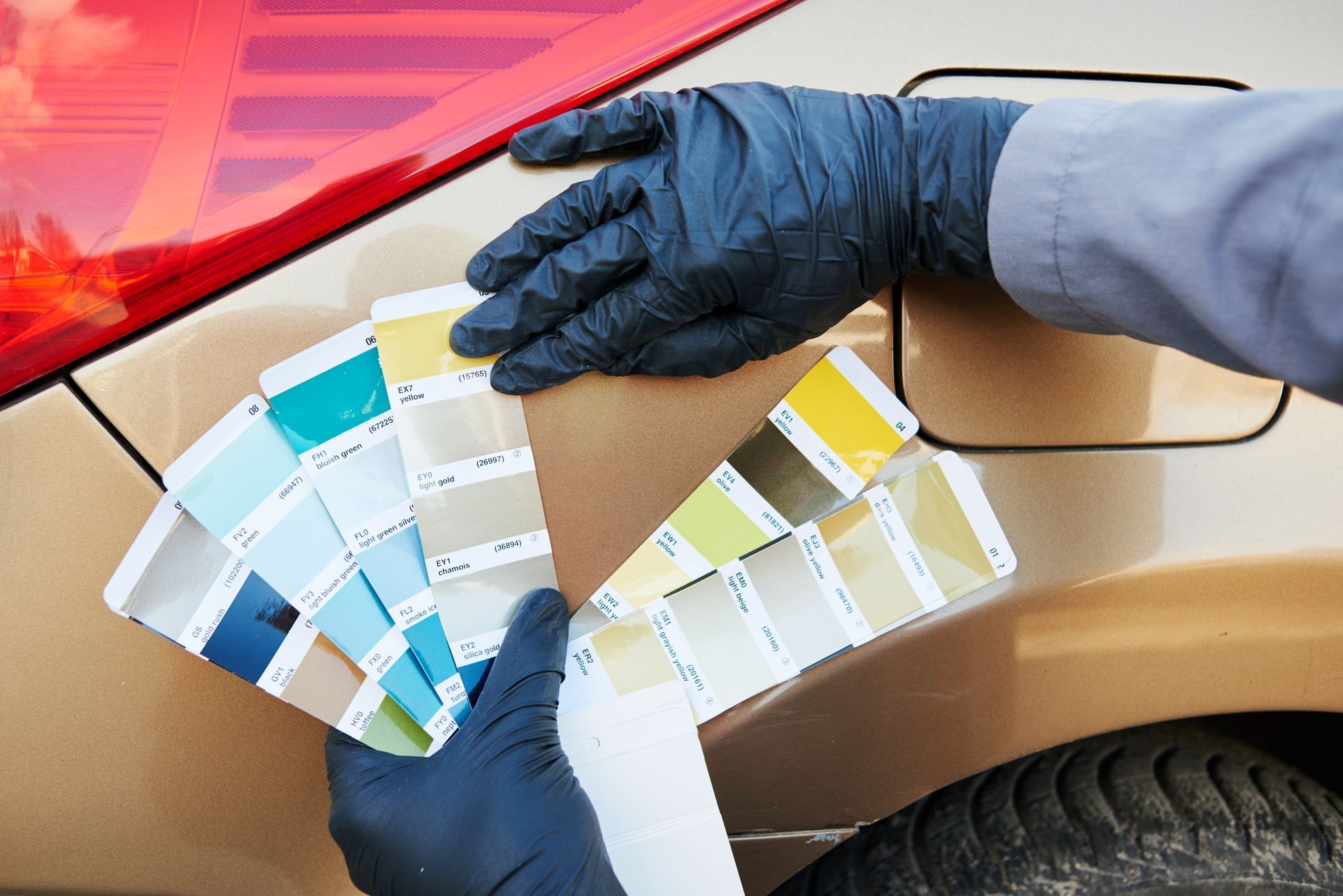
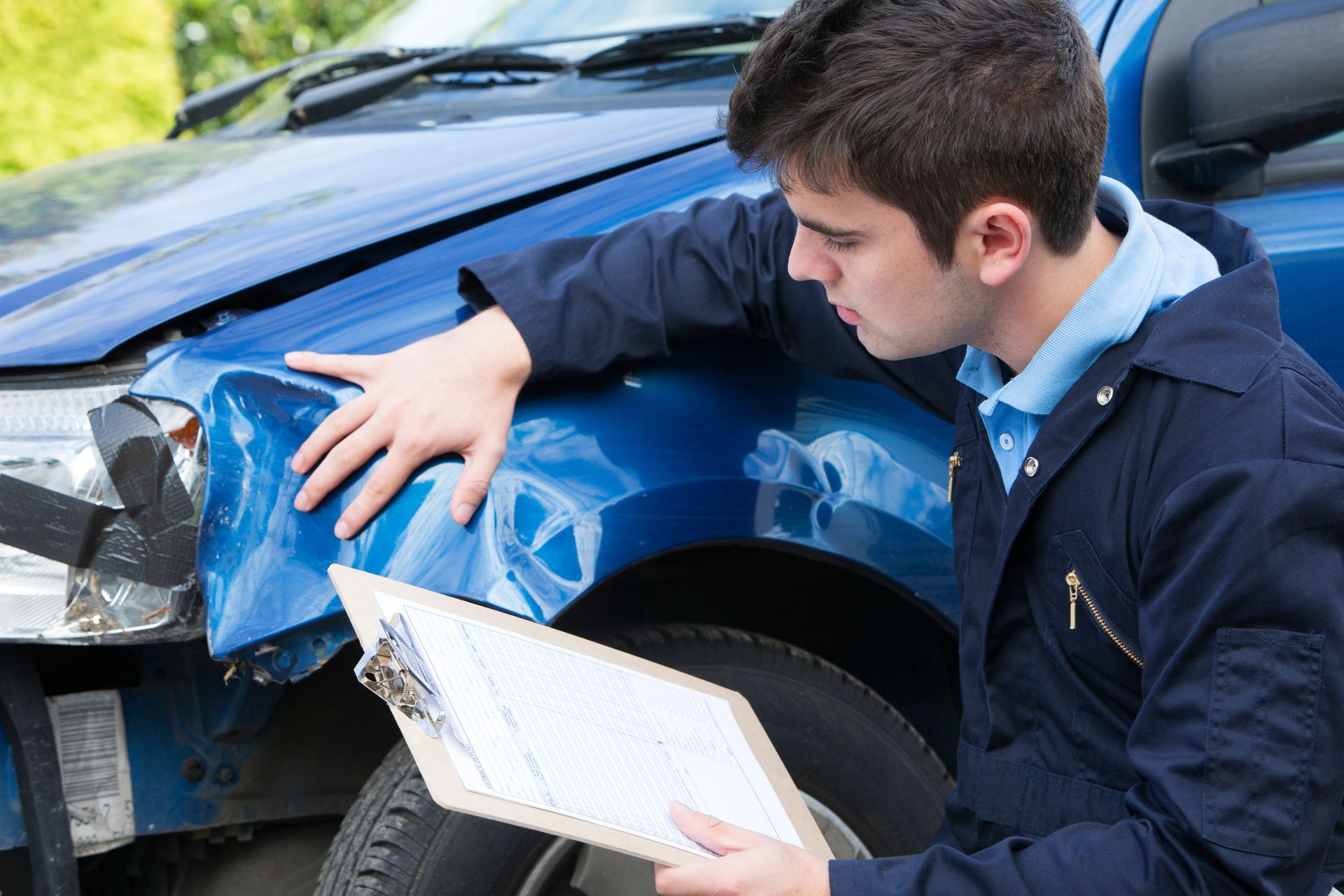
Rear-end impacts can damage bumper reinforcement, sensors, and cooling components even when the outside looks minor. Schedule collision repair in Orlando, FL with Orlando City Auto Body so we can check the structure, restore panel alignment, and make sure safety-related systems are put back the right way.
You should drive away confident your vehicle is truly repaired, not just cosmetically cleaned up.